photoroundup ii

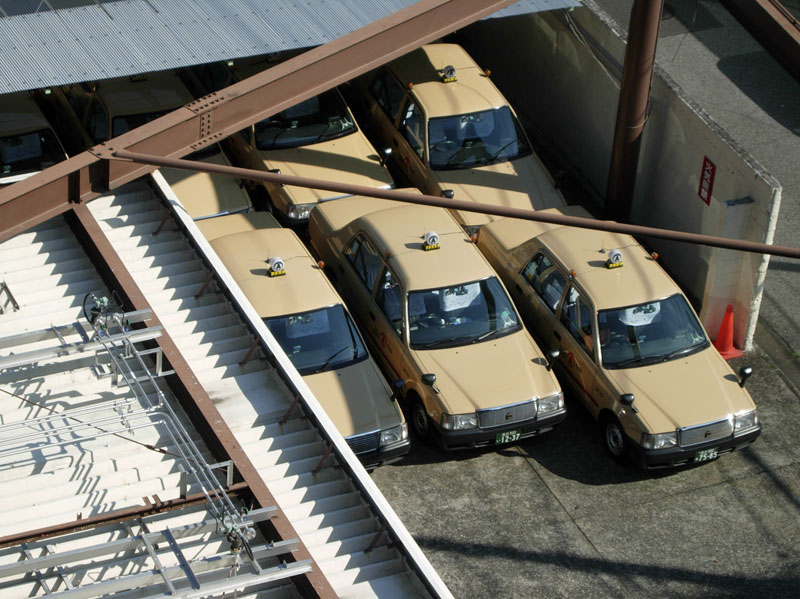
A taxi farm:
taxis

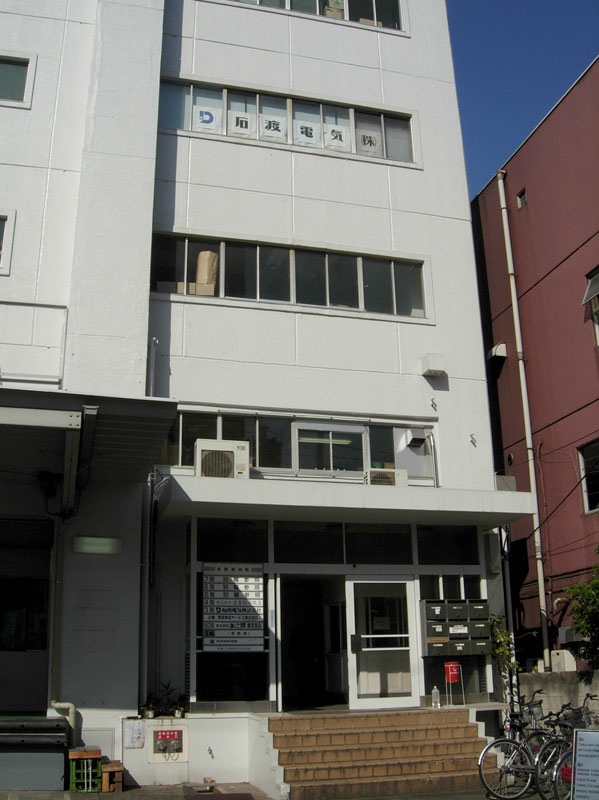
General state of things at Ono Garou:
tap

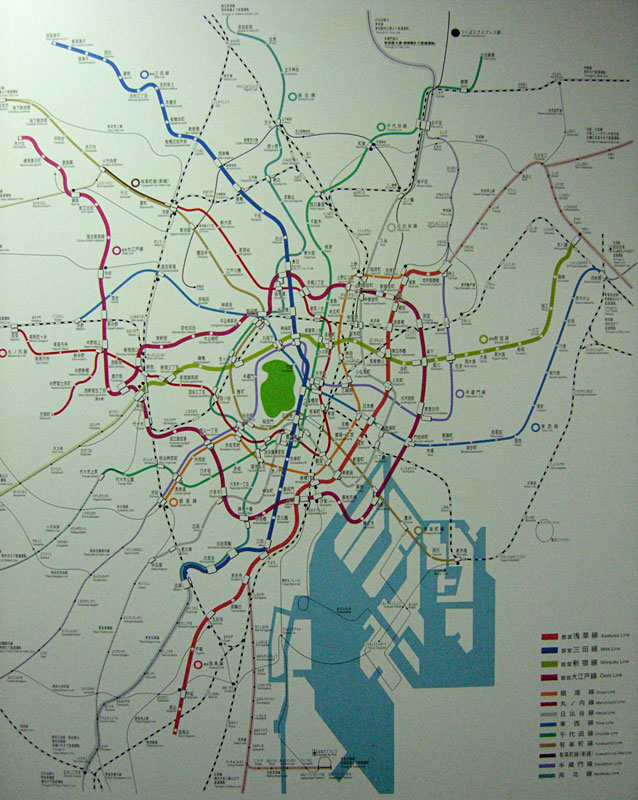
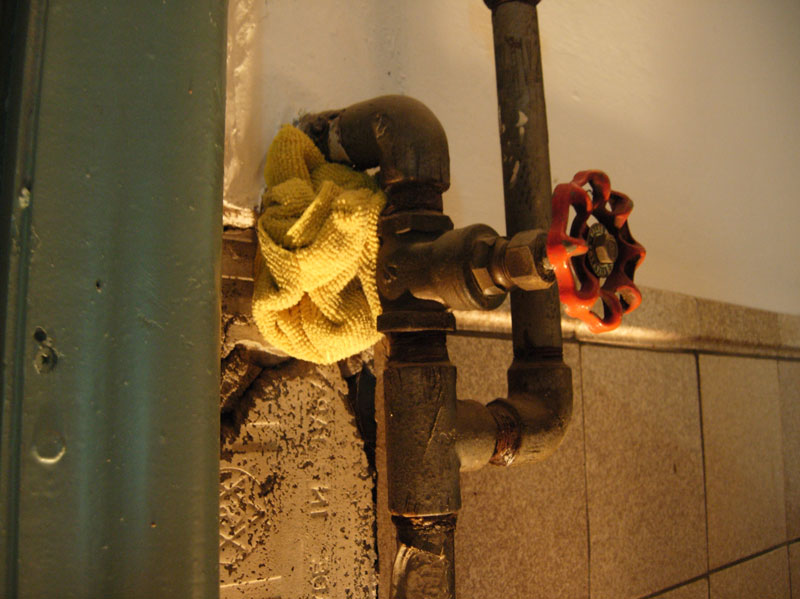
Just liked it as an abstract collection of lines and colours:
subway map

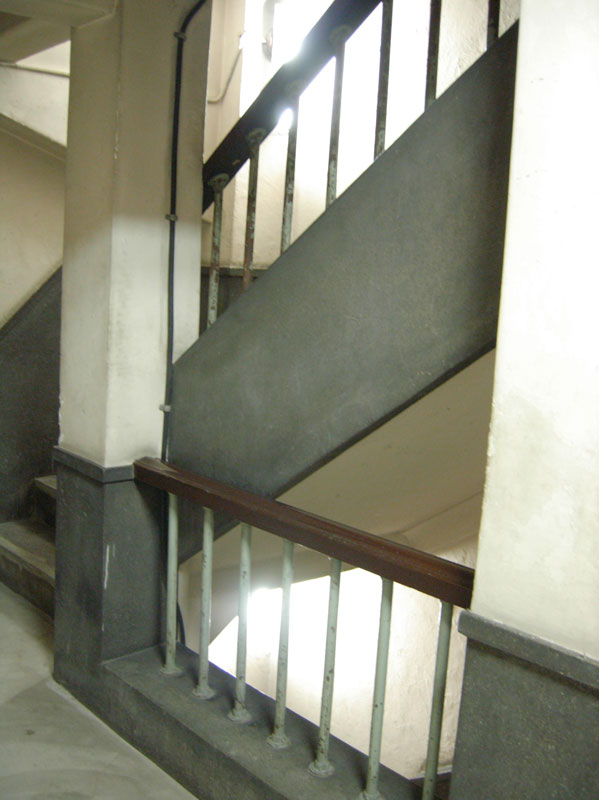
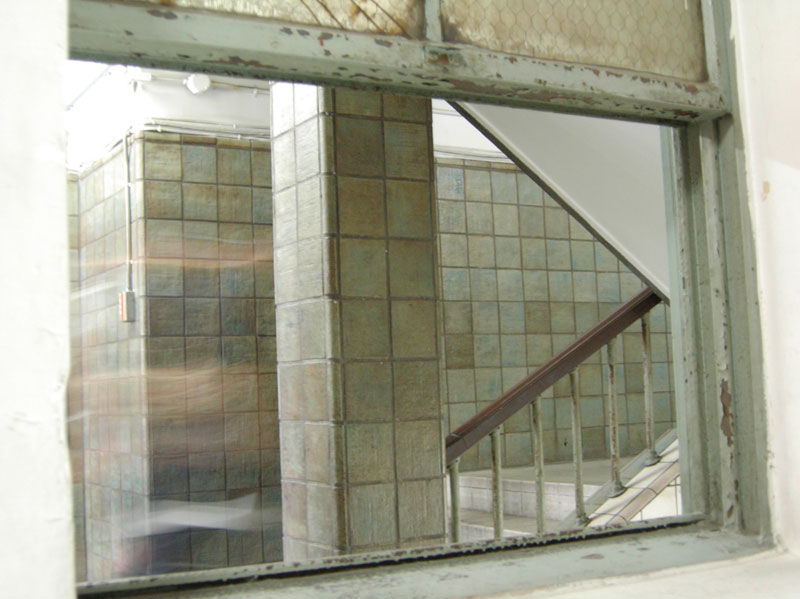
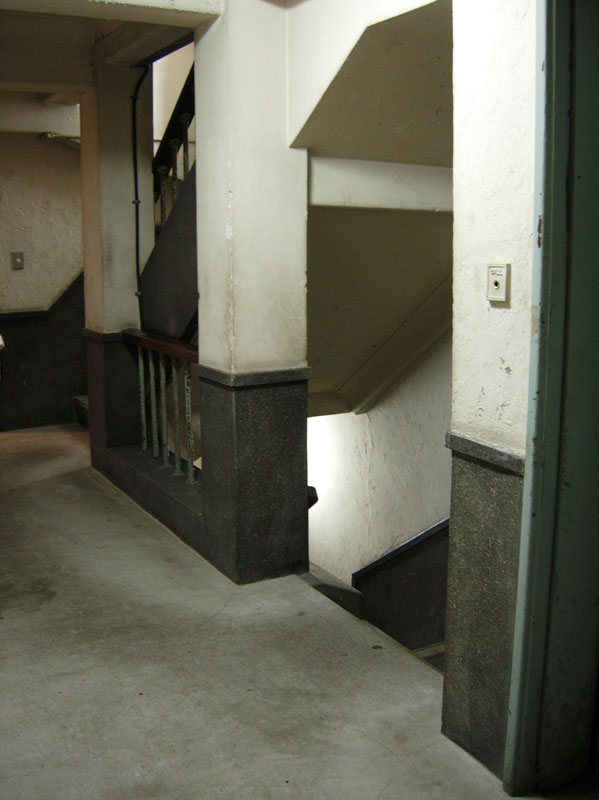
A moderate obsession with the stairs at Ono Garou:
ono garou

ono garou

ono garou

The cast of Tonari no Totoro, shrinkwrapped:
totoro

Small cars:
cars

Making onigiri with exchange students past and present:
onigiri

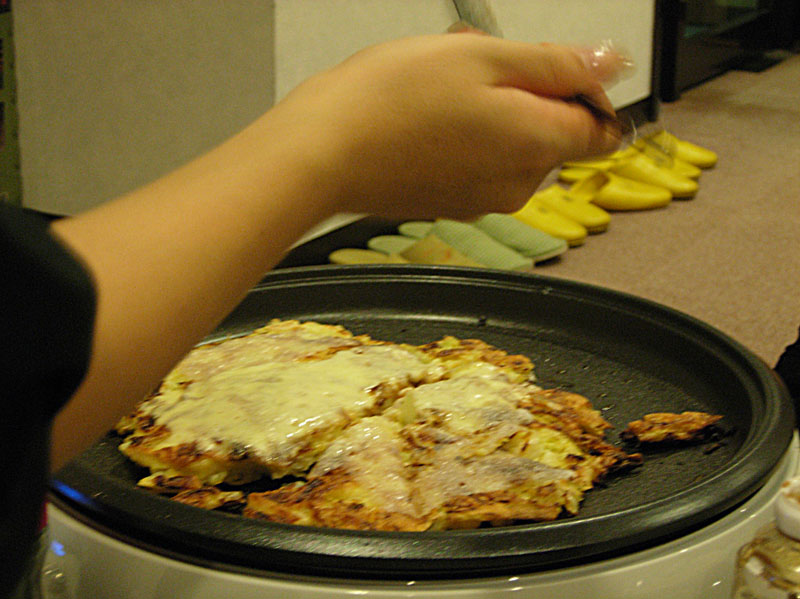
Okonimiyaki and slippers:
okonimiyaki

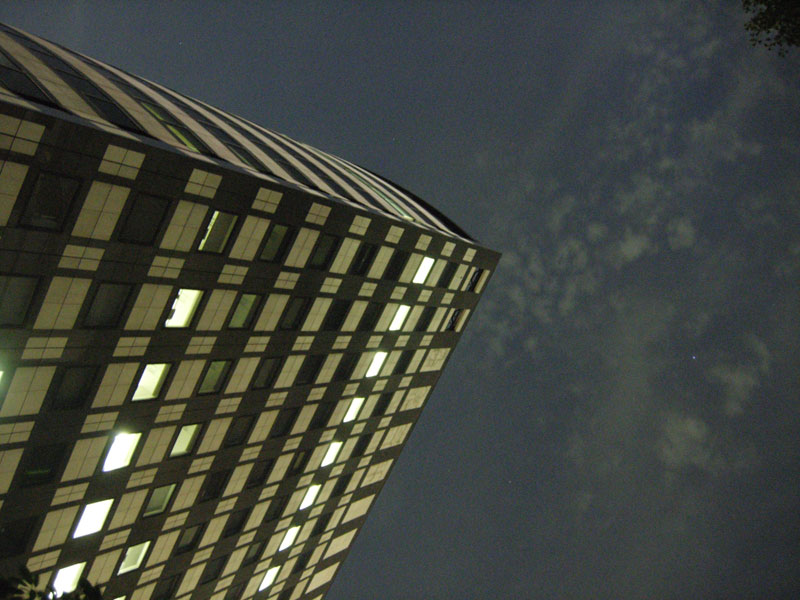
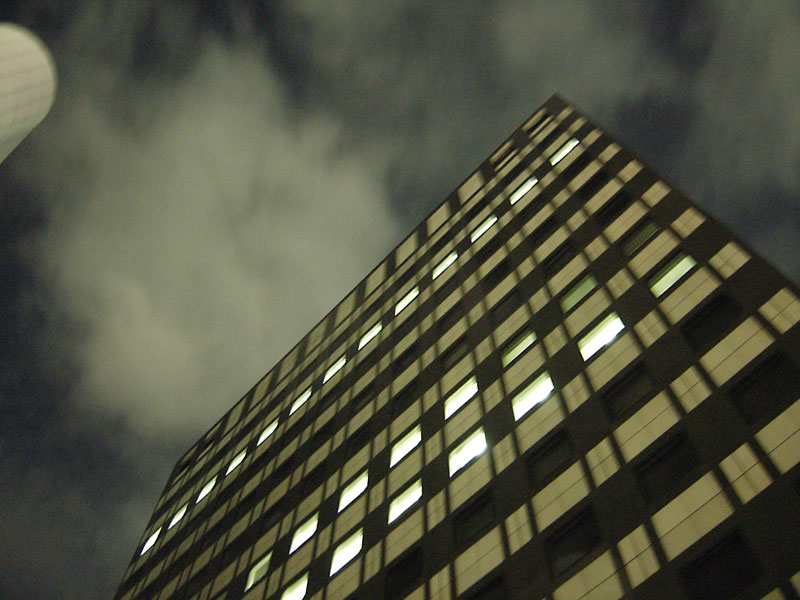
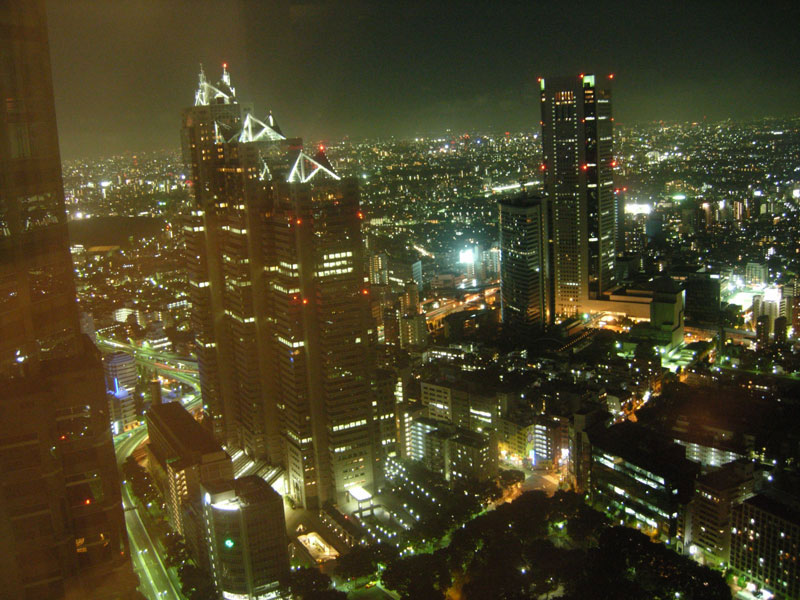
Tower block by night:
tower

tower

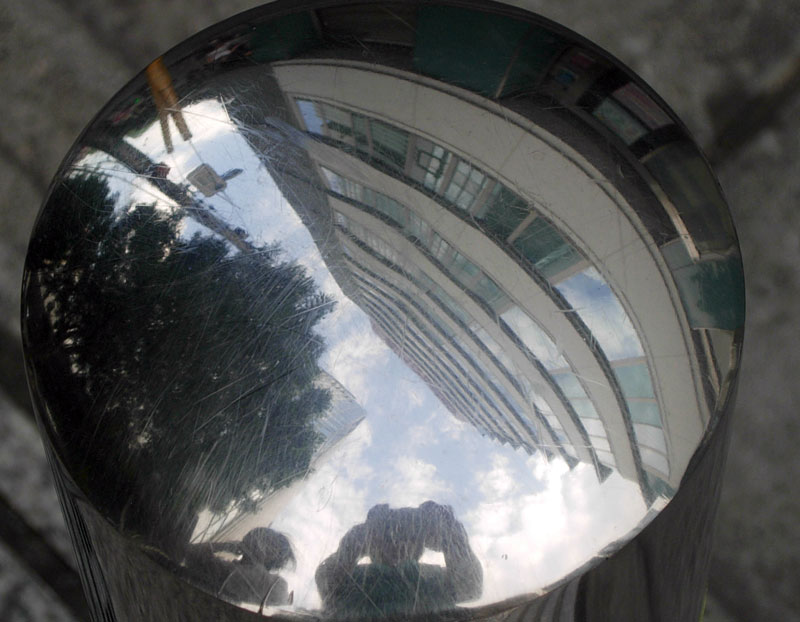
Fun with shiny things:
mirror

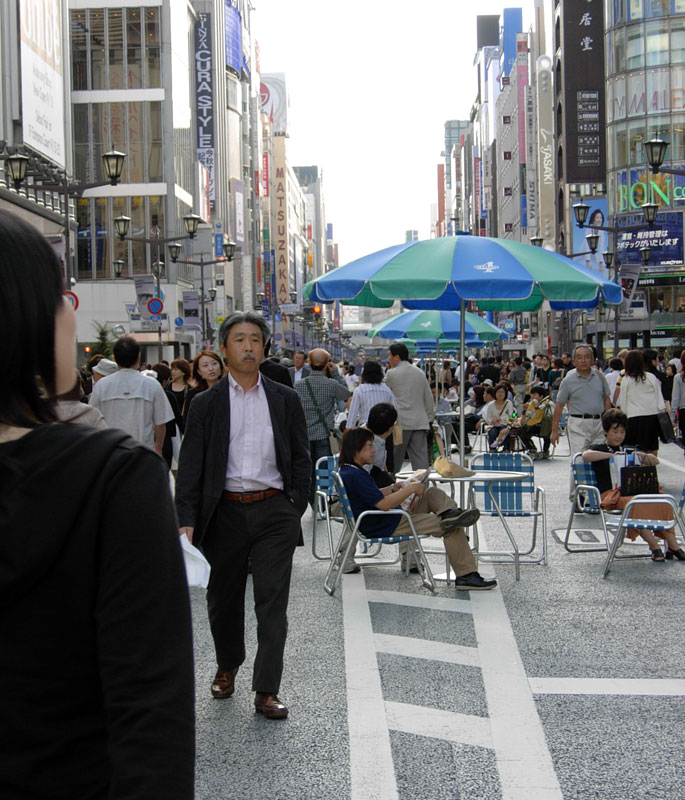
Pedestrians in Ginza reclaim the road on a national holiday:
ginza

ginza

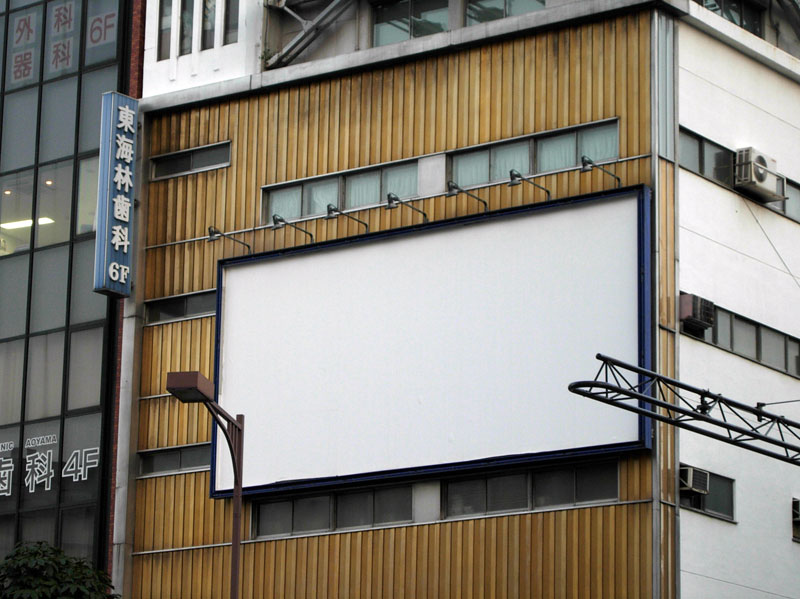
Empty billboard:
empty billboard

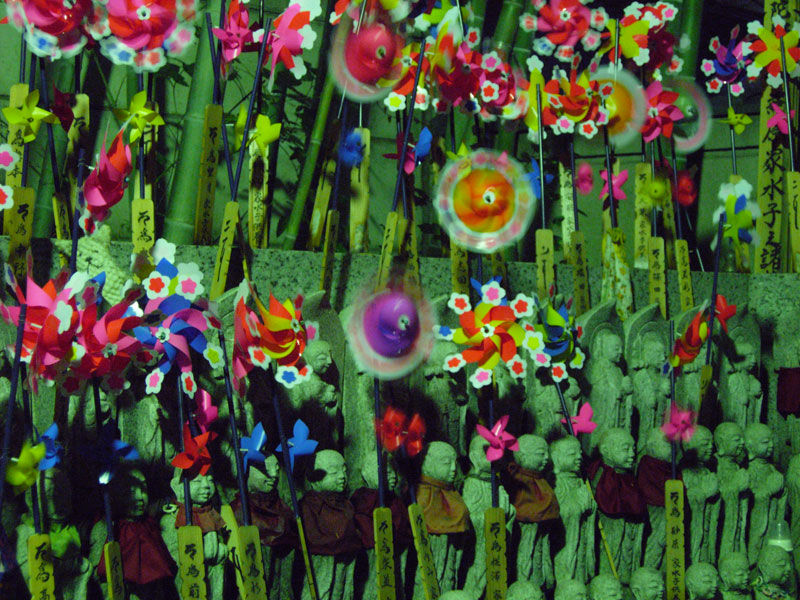
Shrine to stillborn children by night:
shrine

Volume 7

On September 23rd I visited Ono Garou for the first time.

ono garou stairs

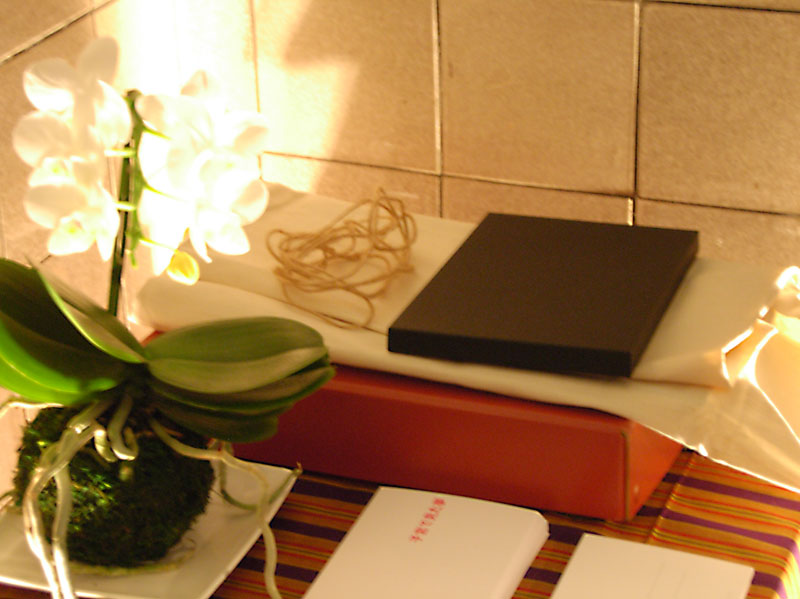
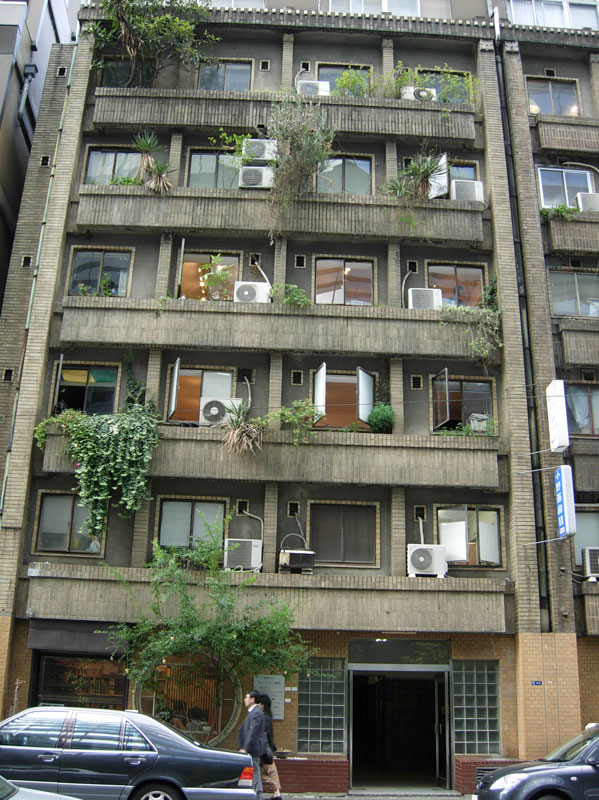
It was in the basement of this dilapidated apartment block in Ginza that we came across Junichi Saito and a masterfully executed presentation of a single piece of sculpture in an awkward corner under the stairs. Pure theatre, excellent!

saito junichi

And so Volume 7 has been left in the (white cotton-gloved) hands of Saito-san, ready to begin its journey…

volume 7

Ono Garou

As a follow-up to the contemporary art galleries in the industrial unit, yesterday Ami took me to several art galleries in Ginza.

ono garou

ono garou

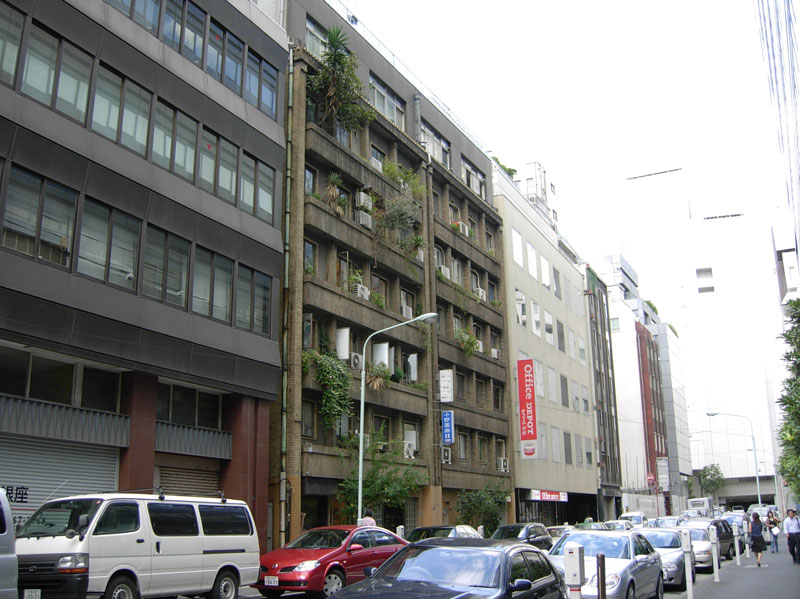
My favourite was Ono Garou. One of the artists told us this is the oldest building in Ginza – an area associated with expensive shopping – and I can well believe it.

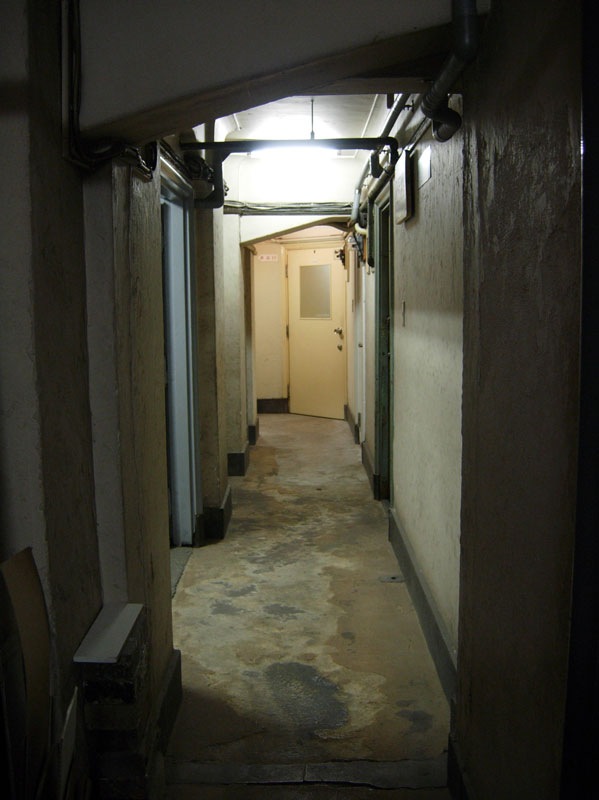
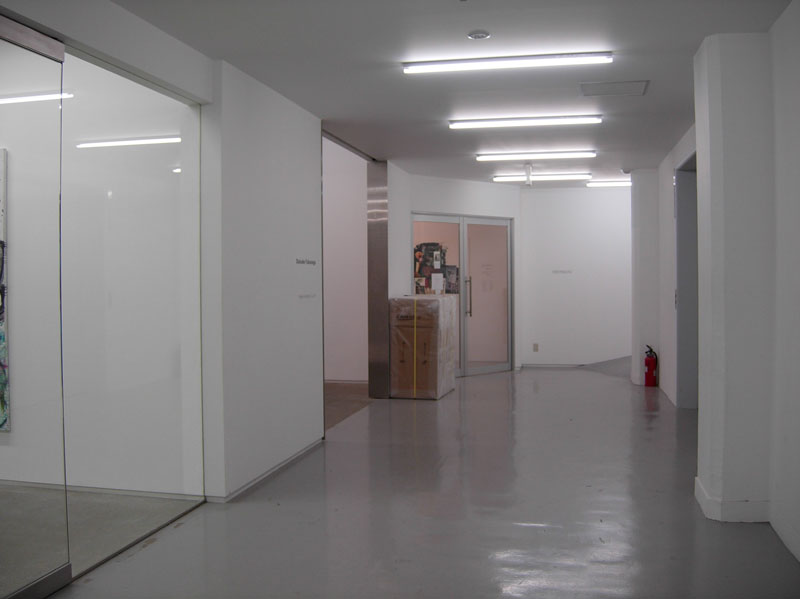
ono garou hallway

Formerly an apartment building, it is fairly crumbly inside and now inhabited by artists. Most of the rooms (typically about 2.5m square) are individual gallery spaces, even the old bath room!

ono garou mailboxes

We spent most time in the two basement spaces.

TYPE-TRACE, part of divvydual teased out ideas about language, authorship and production: three sets of laptops, chairs and projectors where visitors were invited to type their thoughts whilst having the process of their typing logged. The document was then played back in real time with letterforms having differing sizing depending on how long it took before the corresponding key had been pressed.

http://spinn-aker.co.jp/kobo/t-guide.htm
www.inexhale.net
www.phonethica.net
www.tokyoartbeat.com

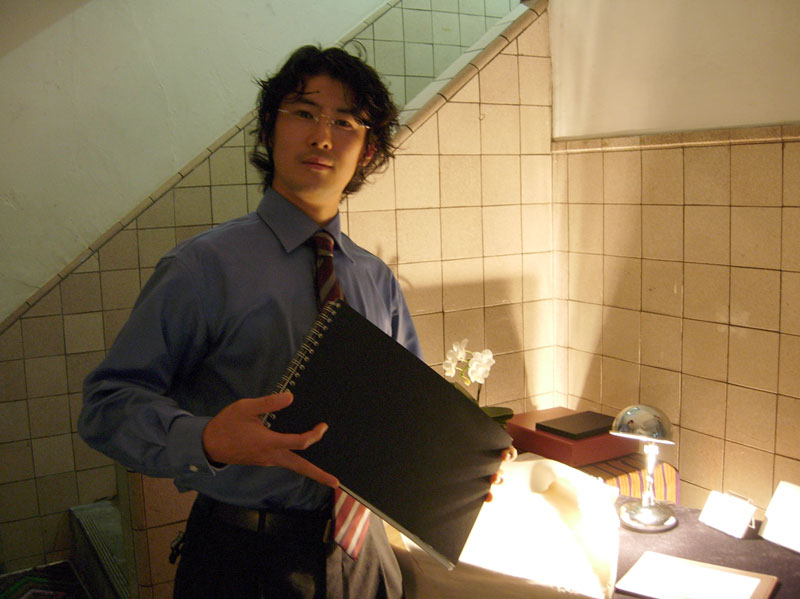
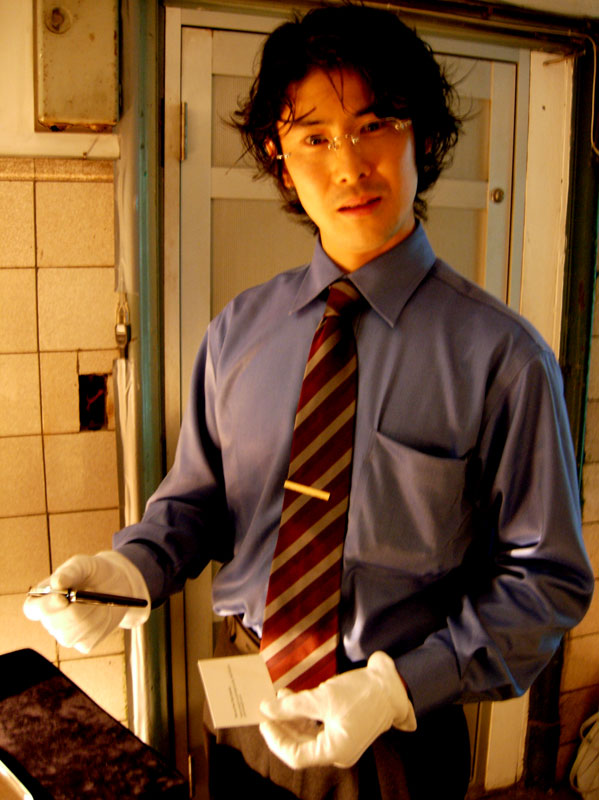
Next to the room bathed in the cold light from the monitors and projectors was the work of Saito Juichi. Dressed formally in suit, tie and white cotton gloves, the artist welcomed visitors at an equally formally dressed table outside his space. With soft voice and great solemnity we were then shown into what is essentially the cupboard under the stairs.

Only being able to stand upright immediately inside the door, we then had to stoop and shuffle over the rabbit pelts to view the sculpture at the far end that also provided the only lighting in the space.

Marvellous.

saito

Once outside and back at the table again, we were ushered through the process of signing our names (with a fountain pen, naturally) on visitors cards that were then put away in a lidded box.

Shortly afterwards we returned and, with Ami’s help with translation, Saito-san became the first person in Japan invited to participate in the Peer-to-Peer Sketchbooks project.
Stones

After the sumo last weekend, Tomoko and I explored a nearby shrine… in the dark!

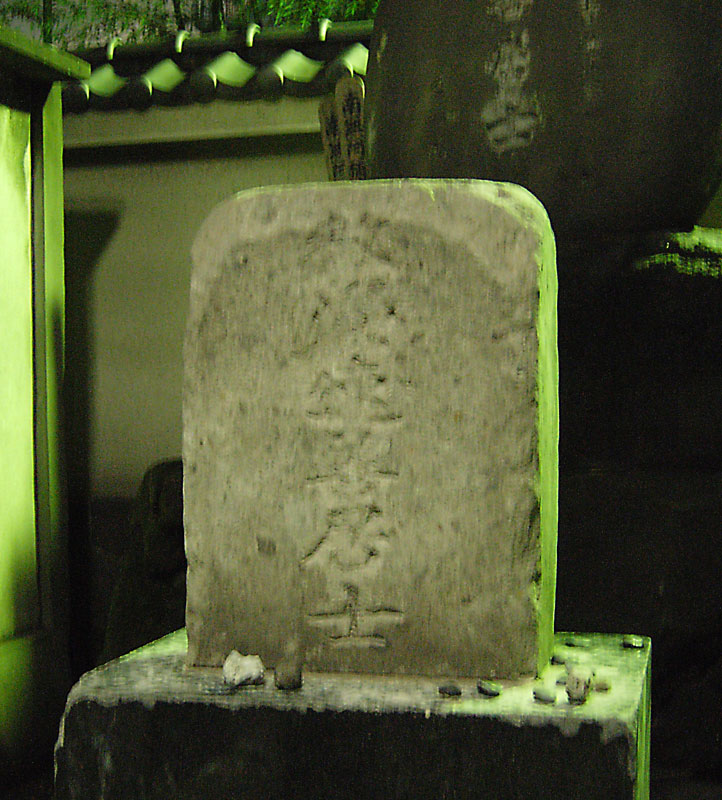
After being startled by the resident cat who suddenly decided she wanted to be somewhere else, we found a particular stone that Tomoko had been looking for.

It has become a custom for visitors to scrape off some of the stone and keep is as a charm for good health. We obliged, but being dark it all felt strangely furtive! Also the photo isn’t very good…

shrine stone

A few days later, this was echoed across the road from Spiral.

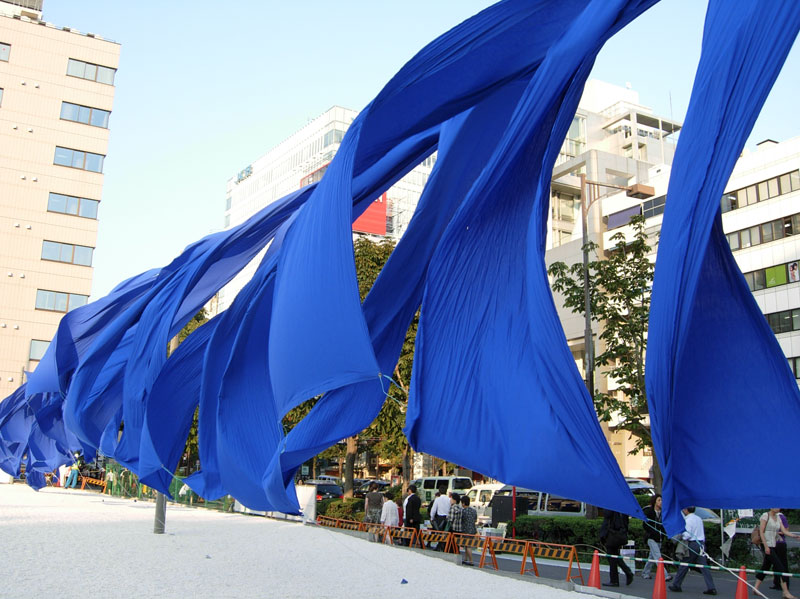
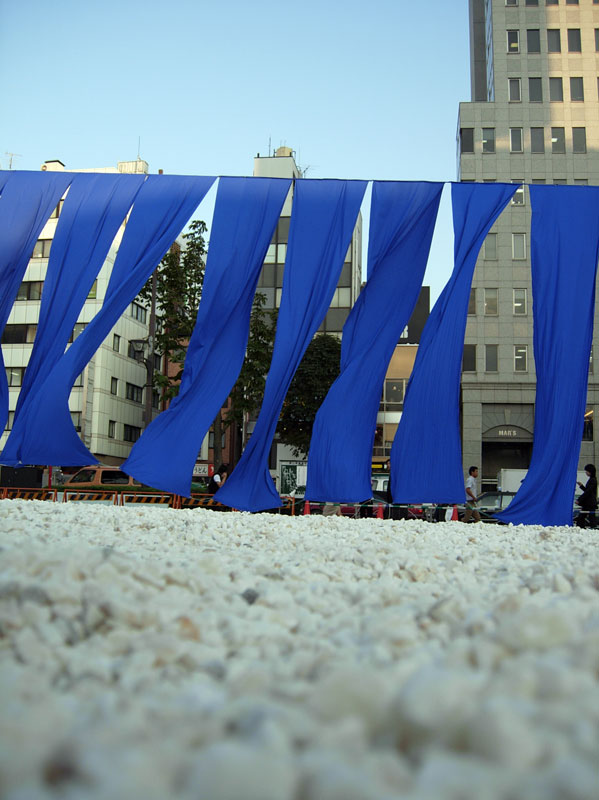
The area is getting a bit of a face-lift and, making the most of the Japanese language’s huge number of homophones, they’ve come up with Au to play off the place name, the verb to meet and the colour blue.

In addition to the new logo (of course!) they had covered a huge area with marble chippings and strung up a load of flags across the side nearest the street. It was catching everyone’s attention and whilst not many people knew what it was about, they were all keen to grab a handful of the stones which we were told had healing properties and were invited to take away with us!
au1

au2

au3

au4

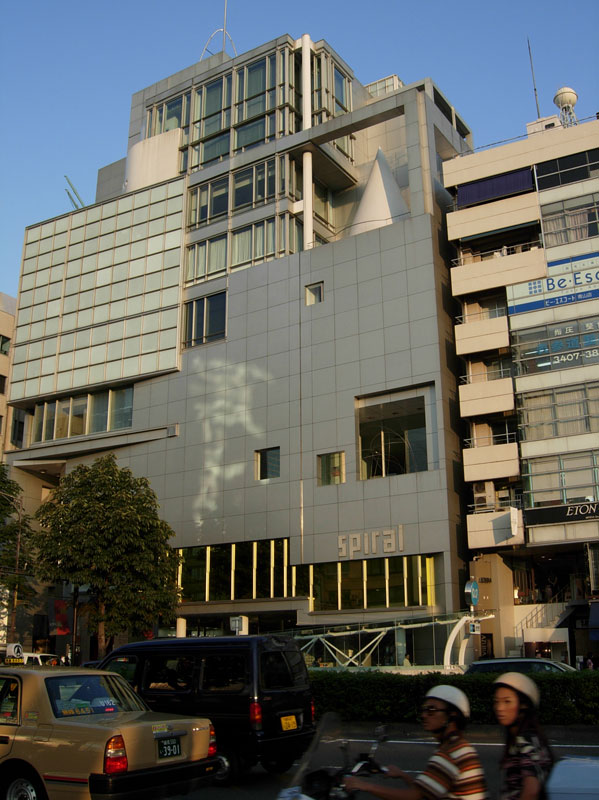
Spiral

After going to Kiyosumishirakawa we went to Spiral in/near Omotesando. I was really keen to see Spiral having already come across their Independent Creators Festival via Ami’s work.

spiral

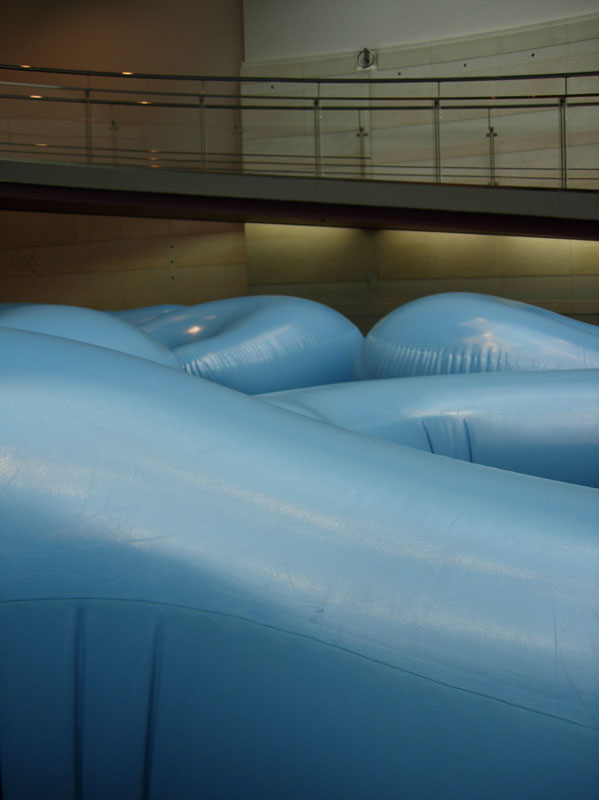
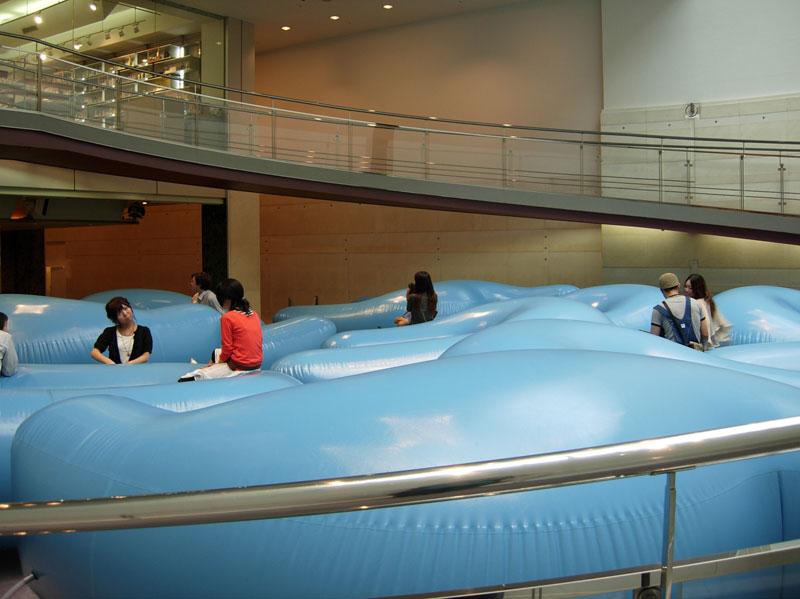
Music shop, coffee shop, gift shop and Lumps and Bumps by lang/bauman in the atrium:

lumps

bumps

above

Kiyosumishirakawa

Kiyosumishirakawa

A few days ago a friend took me to see some galleries in the Kiyosumishirakawa area of downtown Tokyo.

cement factory

industrial unit

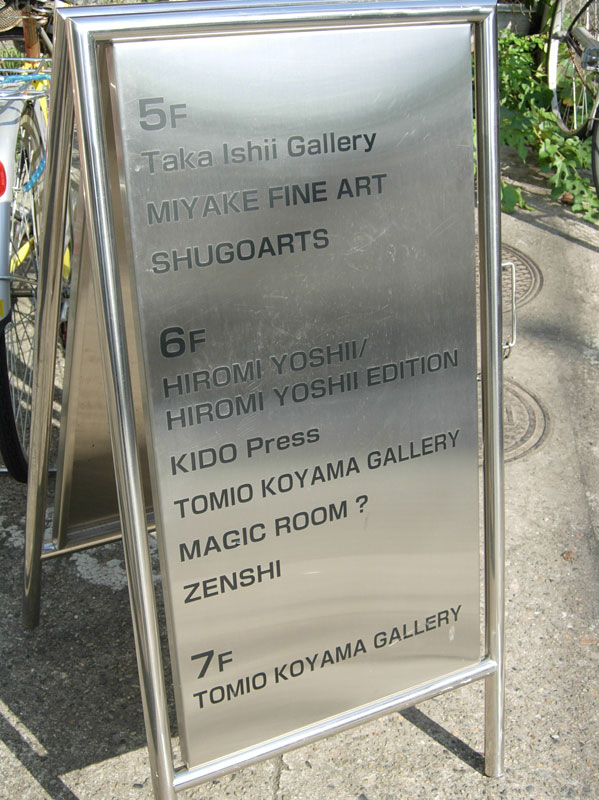
Tucked in between a cement factory and a taxi ranch, is a building that houses a dispatch warehouse, a lighting manufacturer and, oh, 3 floors of commercial galleries!

3 floors of galleries

After finding your way past the palettes to the industrially sized lift, you come out in a slightly different world of pristine white cubes! (ie the type of place you’re blatantly not going to be allowed to take any photos…)

pallettes

white cubes

There was a real mix of contemporary artists being represented: Japanese, international, emerging and more established. We even came across a Damien Hurst in one of the galleries!

entrance

Other than the complete serendipity of walking out of the lift, I think the nicest touch for me was the little reception desk just inside the entrance that just sort of pulled the whole thing together.

www.tomiokoyamagallery.com
www.shugoarts.com
www.zenshi.com
www.takaishiigallery.com
www.hiromiyoshii.com

Nihon Minka En

A collection of various folk houses dating back several hundred years have been transported to this valley and restored.

nihon minka en

Most of the buildings, no matter how old, seemed to be quintassentially Japanese to my gaijin eyes: sliding doors, shyouji screens, raised floors, tatami mats etc etc. I wasn’t expecting the thatched rooves though, but it was quite nice to see that the process and the tools used are just like the ones back home!

90% of the hearths had a sculpture of a fish attached to the main chain and supported so as to be angled slightly down. Sachie told me that these are how old fires are shown in all the story books. We found out why! Fish are used to keep watch over the fire because they never blink! Faultless logic.

We spent hours here, so here are just a tiny fraction of the photos I took.
(The discerning viewer may notice a general disposition towards fixtures and fittings…)

observatory

The thing I often find most disturbing about the city ofTokyo is that it just doesn’t seem to have any edges.

night1

night2

night3

night4

night5

Hama-Rikyu Fish Challenge

got it!

sumo

Last year we just missed out on the sumo tournament in Nagoya (I think), but yesterday we were lucky enough to wander over to the sumo district and get some of the remaining tickets.

I’m not going to pretend to know much about the sport, but it was very entertaining and impressive.

stadium

sumo bout

sumo bout

sumo bout

They’re all trying to be a little bit higher up in the rankings for when the next tournament comes around.

banzuke

A few champions will become immortalised in bronze…

sumo statue

… or in scarily realistic plastic effigies.

sumo dolls


Copyright and permissions:

General blog contents released under a Creative Commons by-nc-sa license. Artworks and other projects copyright Nicola Pugh 2003-2026, all rights reserved.
If in doubt, ask.
The theme used on this WordPress-powered site started off life as Modern Clix, by Rodrigo Galindez.

RSS Feed.